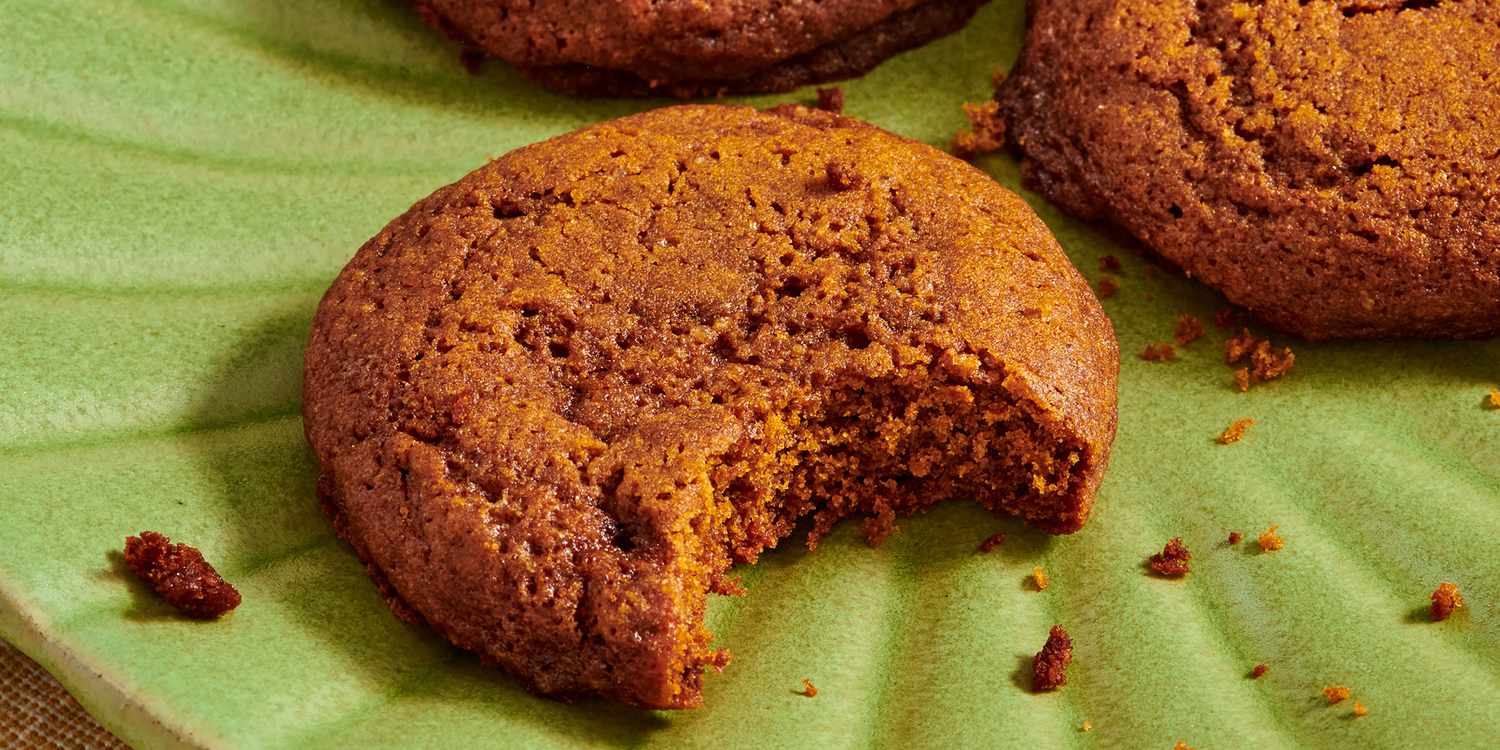
The Irresistible Charm of Soft Chewy Molasses Cookies
There are few treats as comforting and deeply satisfying as a perfectly crafted batch of
soft chewy molasses cookies - Article 1. With their signature crackly tops, delightfully chewy edges, and tender, melt-in-your-mouth centers, these old-fashioned delights are more than just a cookie; they're a warm embrace on a cool day. Infused with a rich tapestry of spices and the unmistakable depth of molasses, they possess a complex flavor profile that transforms a simple baking experience into a truly memorable one. Whether you're a seasoned baker or just starting your culinary journey, mastering the art of the soft and chewy molasses cookie is a rewarding endeavor that promises delicious results.
Achieving Perfection: The Secret to Their Signature Texture
The quest for the ideal soft and chewy texture is often at the heart of many bakers' pursuits, and for molasses cookies, it's a defining characteristic. This isn't a texture that happens by accident; it's the result of carefully chosen ingredients and thoughtful technique. While many recipes require chilling the dough, a well-developed recipe for these particular cookies aims for scoopable dough straight from the mixing bowl, offering instant gratification. However, for those who crave an even chewier bite, a brief stint in the refrigerator—from as little as an hour to up to 48 hours—can elevate the texture to new heights, making the cookies denser and more intensely flavored. This flexibility allows you to tailor your baking process to your desired outcome, ensuring every batch meets your chewy expectations.
Molasses Cookies vs. Gingersnaps: A Flavorful Distinction
Often confused due to their shared ingredients and warm spice profiles, molasses cookies and gingersnaps, while related, offer distinctly different experiences. The primary distinction lies in their spice ratios and molasses content. While gingersnaps typically lean heavily into a pronounced ginger kick, our beloved
soft chewy molasses cookies - Article 3 are formulated with a more balanced blend of spices, ensuring a harmonious warmth that doesn't overwhelm the palate.
Furthermore, authentic molasses cookies boast a higher concentration of molasses. This isn't just about boosting flavor; it's a key factor in achieving that coveted chewy texture. The increased molasses content contributes to a deeper, more nuanced complexity that truly sets them apart, making them inherently chewier and more robust in taste than their gingersnap cousins. It's these subtle yet significant adjustments that craft a cookie with its own unique identity and unparalleled appeal.
The Essential Ingredients for Unforgettable Soft Chewy Molasses Cookies
The magic of a truly soft and chewy molasses cookie lies within its fundamental ingredients. Each component plays a crucial role, working in synergy to create the distinct texture, rich flavor, and beautiful appearance we all adore. Understanding *why* each ingredient is essential is key to consistent baking success.
- Molasses: The Chewy Core
Unsurprisingly, molasses is paramount. Its hygroscopic nature—meaning it readily absorbs and retains moisture—is the scientific secret behind the cookies' chewiness. It locks in moisture, preventing the cookies from drying out and becoming brittle. For the best results, always opt for unsulphured dark molasses. This type is derived from mature sugarcane and processed without sulfur dioxide, offering a cleaner, richer flavor. Steer clear of blackstrap molasses, which is a byproduct of the refining process and has a notably bitter, almost salty taste that will not complement these cookies.
- Brown Sugar: Partner in Chewiness
Brown sugar is another critical player in achieving that desirable chewy texture. Unlike granulated sugar, brown sugar contains molasses, which, like pure molasses, contributes to moisture retention. Its slightly acidic nature also reacts with baking soda, aiding in the cookie's rise and spread. Using only granulated sugar would result in a crisper cookie, shifting away from our goal of soft chewiness. Both light and dark brown sugar work wonderfully, with dark brown sugar offering a slightly deeper caramel note.
- Butter: Richness and Tenderness
Unsalted butter is generally preferred in baking as it allows you to control the exact salt content of your recipe. If only salted butter is available, simply reduce the amount of added salt in the recipe by about ¼ teaspoon. Beyond flavor, butter contributes significantly to the cookies' tender crumb and luxurious mouthfeel, ensuring each bite is rich and satisfying.
- Egg: Structure and Puff
A whole egg serves multiple purposes in this recipe. Its proteins coagulate during baking, providing structure and helping the cookies puff up beautifully. This contributes to their overall softness and the lovely domed center. For those who prefer a slightly less puffy cookie with a denser, fudgier texture, swapping the whole egg for two egg yolks can achieve this, as the extra fat in the yolks adds richness without as much lift.
- Baking Soda: The Crinkly Top Architect
Baking soda acts as the primary leavening agent, ensuring the cookies rise and spread evenly in the oven. It's an alkaline ingredient that needs an acidic counterpart to react with—in this case, the molasses and brown sugar. This reaction creates carbon dioxide gas, which inflates the dough, causing it to puff and contributing to the charming crackly surface that is a hallmark of these cookies. Ensure your baking soda is fresh for optimal leavening power.
- Spices: The Warm Embrace
A classic blend of ground cinnamon, ground ginger, and ground cloves is the heart of the molasses cookie's warm, comforting flavor profile. Cinnamon offers a sweet warmth, ginger provides a gentle bite, and cloves add a deep, aromatic complexity. Together, they create a symphony of flavors that is both inviting and deeply satisfying. For a touch of personal flair, some bakers like to add a pinch of nutmeg or allspice, but the classic trio remains the gold standard.
What if You're Out of Molasses? Exploring Substitutions
While unsulphured molasses made from cane sugar is undoubtedly the gold standard for these cookies, sometimes necessity calls for improvisation. If you find yourself without it, there are a few alternatives that can work, though they may subtly alter the flavor and texture:
- Pomegranate Molasses: Offers a tangy, fruity twist.
- Sorghum Syrup or Cane Syrup: Similar in viscosity and sweetness, they can be good stand-ins.
- Dark Corn Syrup: Provides sweetness and moisture but lacks the deep, complex flavor of true molasses.
- Honey: Can be used, but it's sweeter than molasses. If substituting, reduce the amount to about ¼ cup for every ½ cup of molasses called for. Be aware that honey can also impart its own distinct floral notes.
Remember, these substitutions are best for when you're in a pinch, but for the authentic, rich flavor and chewy texture, sticking to unsulphured dark molasses is highly recommended.
Mastering the Art of Chewiness: Tips for Perfecting Your Batch
Beyond the ingredients, a few key techniques can elevate your
soft chewy molasses cookies - Article 1 from good to absolutely legendary.
- Dough Chilling: The Secret to Enhanced Chewiness: As mentioned, while immediate baking yields delicious results, chilling the dough for at least an hour (and up to 48 hours) allows the ingredients to fully hydrate and the flavors to meld beautifully. More importantly, it solidifies the butter, which prevents the cookies from spreading too rapidly in the oven, resulting in a thicker, chewier cookie with a more concentrated flavor.
- Precise Baking Time: A Delicate Balance: One of the most common mistakes is overbaking. For soft and chewy cookies, you want the edges to be set and lightly golden, but the centers should still appear slightly underbaked and soft. They will continue to set as they cool on the baking sheet. Removing them from the oven at this crucial stage is key to maintaining their tender interior.
- Cooling Strategy: Patience is a Virtue: Resist the urge to immediately transfer your cookies to a cooling rack. Allowing them to cool on the warm baking sheet for 5-10 minutes helps them finish setting without becoming brittle. This gradual cooling process contributes to their lasting chewiness.
- Room Temperature Ingredients: Consistency is King: Ensuring your butter and egg are at room temperature allows them to cream together more effectively, creating a smoother emulsion that traps air. This leads to a more consistent dough texture and a better rise in the oven.
- Do Not Overmix: Gentle Handling for Tenderness: Once you add the dry ingredients, mix only until just combined. Overmixing develops the gluten in the flour, which can lead to tougher, less tender cookies.
These
soft chewy molasses cookies - Article 3 are more than just a recipe; they're an experience waiting to happen. With their inviting aroma, comforting warmth, and irresistible texture, they are sure to become a cherished addition to your baking repertoire. By understanding the role of each ingredient and employing these simple tips, you can consistently achieve that perfect soft and chewy bite every time. So go ahead, whip up a batch, and savor the timeless delight of these truly unforgettable cookies.