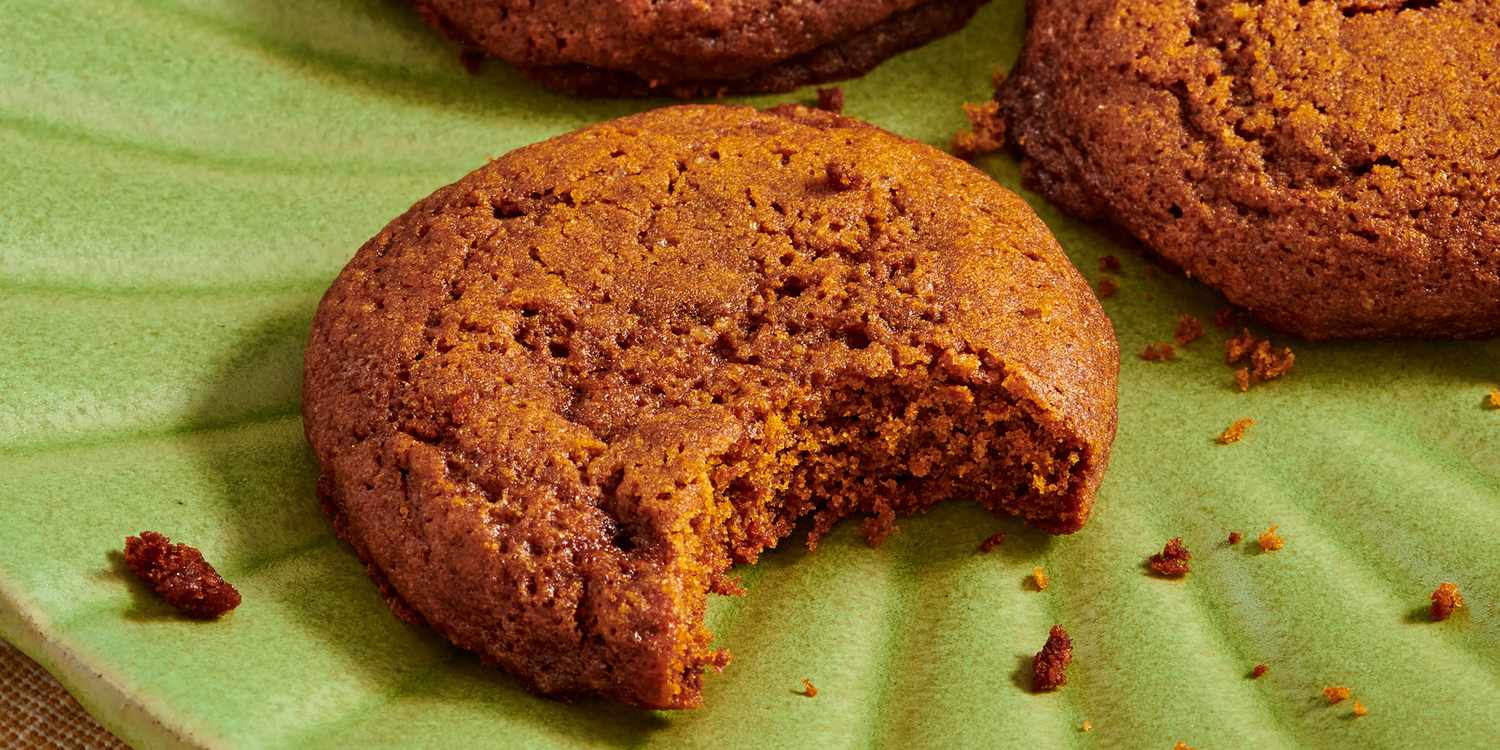
Discover the Irresistible Charm of Soft Chewy Molasses Cookies
There are few treats as comforting and deeply satisfying as a batch of homemade soft chewy molasses cookies. With their distinct crackly tops, delightfully chewy edges, and wonderfully tender centers, these old-fashioned cookies are a true delight. Beyond their captivating texture, it's the rich, complex flavor profile, boasting a harmonious blend of warm spices and deep molasses notes, that truly sets them apart. If you're searching for a cookie that offers both nostalgic comfort and an exceptional taste experience, look no further; these cookies are destined to become a staple in your baking repertoire.
Perfecting the balance between a soft interior and a robust chewiness is an art, and this recipe has been meticulously developed to achieve just that. What's more, these versatile cookies offer flexibility in preparation. You can bake them immediately for instant gratification, or, for an even deeper flavor and an enhanced chewy texture, the dough can be chilled for an extended period. This adaptability ensures that whether you're short on time or planning ahead, the perfect soft chewy molasses cookie is always within reach.
The Essential Ingredients Behind Perfect Soft Chewy Molasses Cookies
Crafting the ideal soft chewy molasses cookie hinges on understanding the specific role each ingredient plays. It’s not just about combining items; it’s about a delicate synergy that results in that signature texture and flavor. Let's explore the cornerstone components:
Molasses: The Heart of the Chewiness
Molasses is, as the name suggests, the star of these cookies. Its importance extends beyond flavor; it's a critical player in achieving that coveted chewy texture. Molasses is hygroscopic, meaning it attracts and retains moisture within its molecules. This property prevents the cookies from drying out, keeping them soft and chewy even after cooling. For the best results, always opt for unsulphured dark molasses. This type provides a rich, complex sweetness without any bitterness. It's crucial to avoid blackstrap molasses, which has a much stronger, more bitter, and salty flavor that simply won't complement the delicate balance of these cookies.
If you find yourself without traditional unsulphured molasses, some alternatives can be explored, though they may alter the final flavor and texture. Pomegranate molasses (often found in Middle Eastern grocery stores), sorghum syrup, dark corn syrup, or cane syrup can serve as substitutes in a pinch. Honey can also work, but due to its higher sweetness, you should reduce the amount used (typically to about a quarter cup per standard recipe). Each substitute will bring its own unique character, so experimentation can be a fun journey if you're open to slight variations.
Brown Sugar: Adding Depth and Chewiness
Alongside molasses, brown sugar is another powerhouse for chewiness. The reason is simple: brown sugar itself contains molasses! This extra molasses content further contributes to the dough’s moisture retention, leading to a softer, more pliable cookie that stays chewy. Using granulated sugar, on the other hand, would result in a crisper cookie, moving away from our desired soft chewy molasses cookie profile. You can successfully use either light or dark brown sugar, depending on your preference for a milder or richer caramel note.
Butter and Eggs: Structure and Tenderness
- Butter: I always recommend using unsalted butter. This gives you complete control over the salt content in your cookies, allowing you to fine-tune the flavor. If you only have salted butter available, simply reduce the amount of added salt in the recipe by about ¼ teaspoon to avoid over-salting your delicious treats. The butter provides richness and helps create that tender crumb.
- Egg: A whole large egg contributes significantly to the puffiness and overall softness of these molasses cookies. As the proteins in the egg coagulate during baking, they help the cookies rise and set beautifully. If you're aiming for a slightly less puffy, perhaps denser cookie, you can experiment by swapping the whole egg for two egg yolks. This small change can subtly alter the final texture to your liking.
Baking Soda and Spices: Lift and Flavor
- Baking Soda: This leavening agent is vital for achieving the characteristic rise and spread of the cookies, as well as their beautiful crackly top. Baking soda is alkaline and requires an acidic ingredient to react with. Fortunately, both molasses and brown sugar are acidic enough to kickstart this reaction, producing carbon dioxide gas. This gas creates tiny air pockets, causing the cookies to puff up and spread, forming those appealing surface cracks.
- Spices: The soul of a molasses cookie's flavor comes from its blend of warm spices. A classic combination typically includes ground cinnamon, ground ginger, and ground cloves. This trio provides a deep, aromatic warmth that is both inviting and incredibly comforting. Some bakers might also add a pinch of nutmeg or allspice for an even more complex bouquet.
Molasses Cookies vs. Gingersnaps: What's the Difference?
It's easy to confuse molasses cookies with gingersnaps, given their similar appearance and shared spice profile. However, there are distinct differences that set our beloved soft chewy molasses cookies apart. While both contain ginger, cinnamon, and cloves, the ratio and emphasis on certain spices often differ. Molasses cookies typically feature a more balanced spice blend, offering a harmonious warmth without a single spice dominating the palate. Gingersnaps, as their name suggests, tend to be much more ginger-forward, often with a spicier, more pronounced ginger kick.
Crucially, the dough for these molasses cookies also incorporates a significantly higher amount of molasses compared to most gingersnap recipes. This increased molasses content is not just about deeper flavor; it's a key factor in achieving the unparalleled chewiness we're after. The higher molasses makes the cookies inherently chewier and adds layers of complex, almost caramel-like sweetness that you won't find in a traditional gingersnap, which often bakes up much crispier. For another perspective on these delightful treats, take a look at soft chewy molasses cookies - Article 2.
Achieving Ultimate Chewiness: The Chill Factor
One of the most frequently asked questions about creating the perfect soft chewy molasses cookie revolves around chilling the dough. The good news is, you have options! This recipe is designed to be scoopable and bakeable straight from the mixing bowl, yielding delicious results even without chilling. This is perfect for those spontaneous baking moments when a craving hits.
However, if your goal is to achieve the absolute chewiest cookie possible, a period of chilling is highly recommended. During extensive recipe testing, it's been found that chilling the dough for at least 1 hour, and up to 48 hours, significantly enhances the chew factor. Why does chilling work this magic? It allows the flour to fully hydrate, the butter to firm up, and the flavors to meld and deepen. The firmer, colder dough spreads less rapidly in the oven, leading to a thicker cookie with a more concentrated chew. So, while immediate baking is convenient, planning ahead with a chill time will reward you with an even more spectacular texture.
Tips for Success and Storage
- Don't Overbake: This is paramount for soft chewy cookies. Molasses cookies are best when slightly underbaked. They might look a little soft in the center when you pull them out of the oven, but they will continue to set as they cool on the baking sheet. Overbaking is the quickest way to turn a chewy cookie into a dry, hard one.
- Roll in Sugar: For that iconic crackly top and an extra sparkle, rolling the cookie dough balls in granulated sugar (or a mix of granulated and turbinado sugar for crunch) before baking is a must.
- Scoop Uniformly: Using a cookie scoop ensures all your cookies are the same size, promoting even baking. This means no burnt edges on one cookie while another is still raw in the middle.
- Proper Storage: Once completely cooled, store your soft chewy molasses cookies in an airtight container at room temperature. They will remain wonderfully soft and chewy for several days. If they start to stiffen, you can place a piece of bread in the container to help reintroduce moisture.
- Dough Storage: The prepared cookie dough can be stored in the refrigerator for up to 2-3 days, or frozen for longer periods (up to 3 months). If freezing, form balls and freeze them on a baking sheet before transferring to a freezer-safe bag. Bake directly from frozen, adding a minute or two to the baking time.
A Timeless Treat Awaiting Your Oven
From their rich, spiced aroma filling your kitchen to that first satisfying bite, soft chewy molasses cookies are more than just a dessert; they're an experience. With their intricate blend of warming spices, the deep, earthy sweetness of molasses, and that perfectly perfected texture, they embody comfort and tradition in every bite. Whether you choose to bake them on a whim or patiently chill the dough for maximum chewiness, these cookies promise to deliver an unforgettable taste that will undoubtedly earn them a permanent spot in your favorite recipes.
